


An update on legal problems facing the industry.
Three sex tech companies are in legal hot water. One for allegedly collecting private data from sex toy users, and two others for allegedly violating the so-called teledildonics patent.
Proposed class-action lawsuit against Lovense
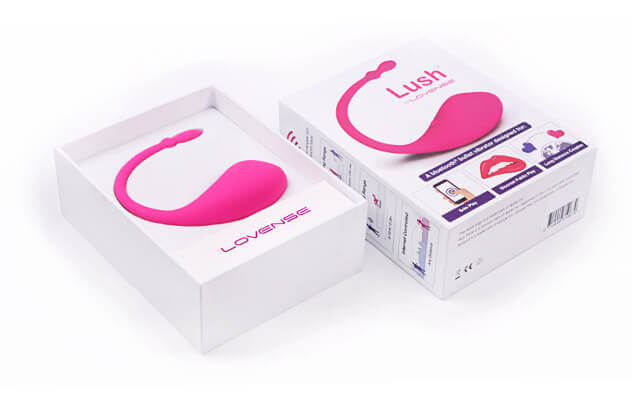
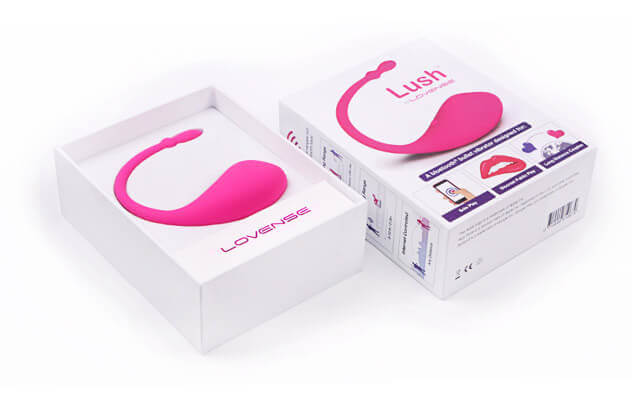
On January 31, Lovense became the center of a federal lawsuit alleging it violated US anti-wiretapping laws for collecting users’ intimate data.
The proposed class-action lawsuit, filed in US District Court in San Francisco, seeks damages for all users of the Lush vibrator. The plaintiff is S.D., a woman identified only by her initials.
According to NBC News, the lawsuit doesn’t give evidence backing up the allegation that Lovense intentionally collected or stored data. This information is apparently not required at this point in the litigation. The lawsuit also doesn’t explain how S.D. learned that her data was allegedly being stored.
However, Lovense received panicked press coverage last November after a Reddit user discovered its app recorded temporary sound files. This file was created after using the SoundControl feature to record ambient noise for the purposes of controlling a vibrator’s intensity.
At the time of the complaint, the temporary file was overwritten each time the SoundControl feature was opened. Lovense soon responded saying it fixed a “minor bug” and that no information was being sent it its servers. The file now deleted each time the user closed the SoundControl feature. As a backup, the app also performs a check each time it is opened to look for and delete the temporary file.
Perhaps the two situations are related?
SayberX patent case
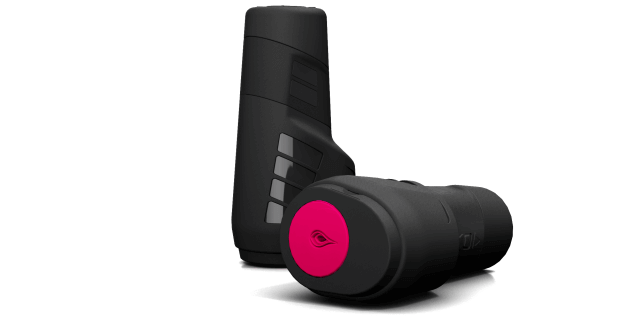
On December 29, 2017, while most of us were probably celebrating the holidays, two companies associated with the interactive male stroker SayberX were sued by the non-practicing entity TZU Technologies for patent infringement.
The first is Hong Kong-based company Interactive Holdings Limited, which markets itself as SayberX. The other is the Nevada-based SayberX global distributor Xplosion Inc.
TZU holds the rights to the teledildonics patent, sometimes called the ‘268 patent, which we’ve covered in depth at Future of Sex. It’s a wide-ranging piece of intellectual property that governs the use of all Internet-connected sex toys.
The patent, which has been largely criticized for stifling innovation in the field of teledildonics, expires in August 2018.
While last July popular sex toy company LELO was also sued for allegedly violating the same patent, TZU voluntarily dismissed the case on December 11, 2017.