


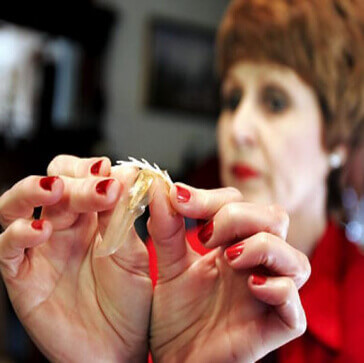
The myth of the vagina dentata enters reality with Rape-aXe.
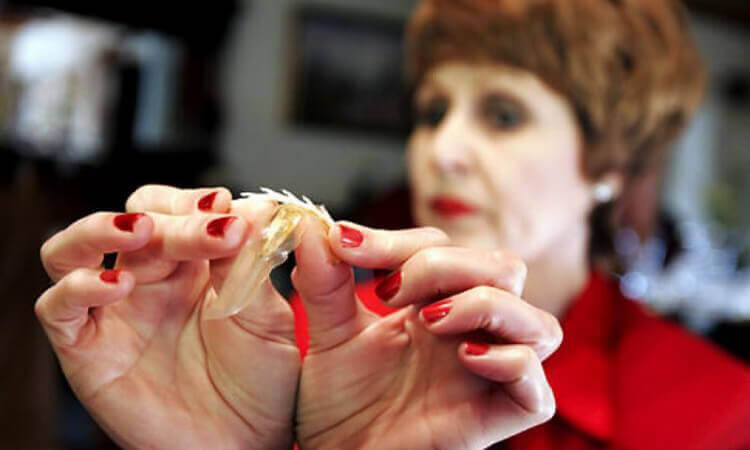
The vagina has long been viewed with an aura of mystery, mystique, and—surprisingly often—danger.
Folklore, for example, is chock-full of stories of vagina dentata, Latin for “toothed vagina.” The idea, quite gruesome, is that the vagina is lined with sharp teeth, which upon penetration, will (at the very least) injure an intruder.
The myth, which can be found in cultural lore across the world, is understood to be a cautionary tale for penis-owners, a warning about forced entry in a time before consent was widely discussed.
For medical researcher Sonnet Ehlers/Bryant, however, the tale of vagina dentata is less fable than ambitious fact. In South Africa, where Ehlers/Bryant lives and works, as many as one in four women have been raped—a horrifying statistic which, nevertheless, is likely still “grossly underreported.” Similarly shocking statistics can be observed worldwide.
Ehlers/Bryant, recognizing the frequency with which sexual assault remains overlooked by the criminal justice system, knew that these staggering figures required a novel, radical response.
Cue Rape-aXe
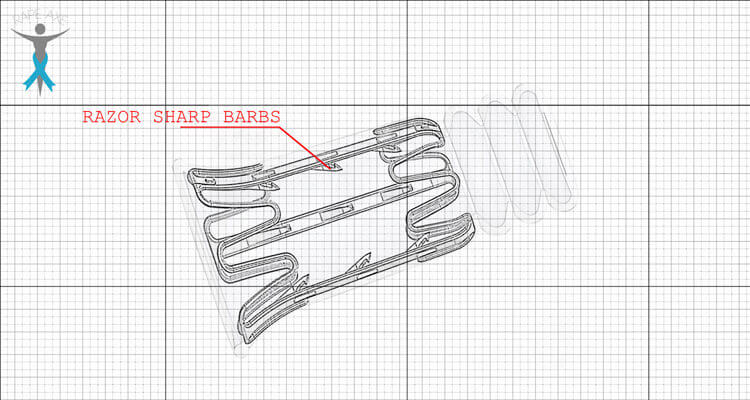
Inspired by a woman who told Ehlers/Bryant that she wished she had “teeth down there” after surviving an attack, Rape-aXe, is now in the prototype phase.
It is an inter-vaginal device that pushes barbs into a penis upon insertion, remaining attached as the penis is withdrawn. The rapist will be left incapacitated by pain, and any relaxation of the penis will only cause the barbs to push deeper into the flesh.
The surprise and pain caused by Rape-aXe give the victim time to fight back or escape. The device can only be removed by a medical professional, ensuring that a rapist’s identity can eventually be confirmed and used in a subsequent prosecution.
The Rape-aXe device itself, however, is designed for the comfort and protection of its main wearers. Inserted like a tampon, the single-use device is intended to be as safe as possible.
A protective barrier shields the vaginal canal from the barbs, and the device is made from hypoallergenic, non-absorbent material, protecting users from allergic reactions and toxic shock syndrome.
Rape-aXe, designed to be as affordable as possible, as well, aims to offer a practical and accessible method for defending against sexual violence.
Rape-aXeis still being crowdfunded online before moving into mass production for the general public, and improvements in comfort and efficacy are still underway. When fundraising goals are met, Rape-aXe hopes to offer people with vaginas an opportunity to “take back the power” from attackers.
By empowering victims with a method of self-defense and improving the chances for successful prosecution, Rape-aXe is a cautionary tale turned practical strategy. This vagina dentata can really bite back.
For more information or to contribute to fundraising, visit: https://rape-axe.com.