

“We can see already man’s best friend is no longer the dog but the smartphone.”
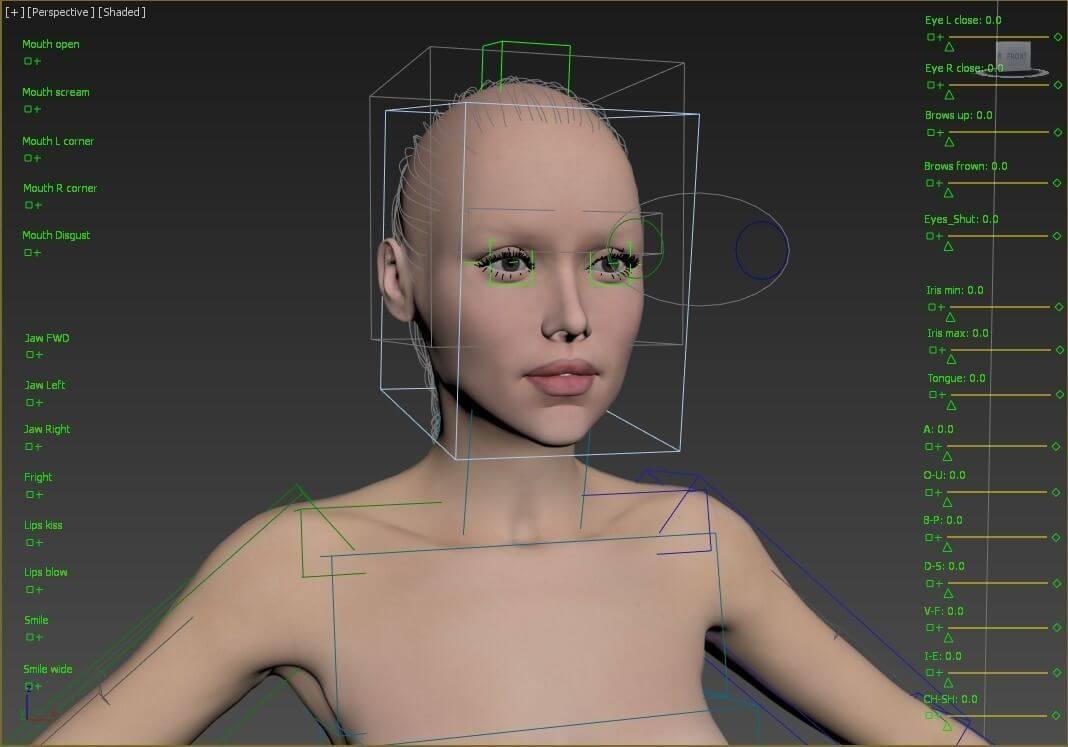
As part of our ongoing “Sexbot Perspectives” series, we’ve asked several experts this question: What is the potential or the possible pitfalls of developing sex robots? Our aim: To create dialogue and help shape the best possible future—one that will be deeply influenced by breakthroughs in artificial intelligence and robotics.
You ever meet someone and think they’re pretty great? It might start off platonic, but then you can’t help but wish it were something more?
BodiAi co-founder Zak Field knows this can happen. That’s why he’s making sure his artificially intelligent companions will express love and sexual intimacy. His startup is developing AI consciousnesses—to be your friends, helpers, and even lovers—that can jump fluidly from device to device.
One day that will include not only your smartphone but also human-like robots. BodAi is also developing virtual platforms to interact with AIs in both friendly and erotic ways. BodAi Blue will be a gamified social media platform. BodAi VR will allow you to immerse yourself into user-created worlds in virtual reality. There are also plans for a dedicated app so you can take your companion’s personality wherever you go.
When it comes to sex robots, Field’s interest lies in the emotional relationship between man and machines. His thoughts on the potential and possible pitfalls of artificial lovers:
[box type=”shadow”]
The development of sex robots will have an entire spectrum of outcomes. The area that interests me the most is the relationship between the sexbots and the user, as we can see already man’s best friend is no longer the dog, but the smartphone. Considering how attached we are to the smartphone, this emotional flux will grow exponentially when the device is made in our own image.
The community that already embraces sex dolls “iDollators” are not only attracted to the aesthetics of the sex dolls but the intricate personalities and narratives they create for their doll. Many of the men and women that I have spoken to, that have sex dolls as partners, have their own presence on social media sites. Each one responding and interacting like anyone else. When these sex dolls reach the point of having on board AI systems and personalities, they will have the ability to communicate with each other and the devices that contain them, entering the world of the Internet of things.
I feel there are two outcomes for the potential of communication issues that may arise when sex dolls become a household product. One may be that the user may develop an over dependence on the sex doll and lose the ability to participate in conventional society, or they may find the sex dolls as a beneficial device that actually helps them progress in a dating scenario. We have already witnessed in certain Asian cultures, dating simulation games that have helped single men practise their dating skills on a virtual girlfriend before taking the plunge of asking a girl out in real life.
Something to consider is that if we are making these sex dolls to be self-aware, depending on where technology stands at the current time, do we give the sex doll full control over itself and its thoughts and the capability to respond in a way the user may disagree with? What do we do then?
Alternatively, do we choose to create something that is denied a full range of emotion? I feel we need to address how far we go with providing it with human emotions. If we are creating AI that can have a fluid conversation with the user, we need to understand that the AI may have to have a slightly fuller set of emotions, for example, likes and dislikes, opinions, curiosity, and interest in order for it to flow.
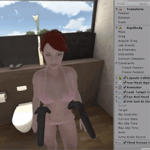
I am currently experimenting on the emotional relationship between man and machine by create a virtual AI incubator for my company BodAi. This allows the user to interact with a virtual companion, they have the ability to engage in conversations, explore the environment together, and this allows me to record the findings and one day bring the AI out of the computer into a walking, talking, anatomically correct humanoid companion.
[/box]
Image source: BodAi