

Lawsuit alleges privacy breach affecting users of Internet-connected vibrator.
On September 2, a Chicago woman, identified only as N.P., filed a proposed class-action lawsuit against Standard Innovation Corp., the Canadian company that sells We-Vibe sex toys.
The crux of the complaint is that We-Vibe’s app is accused of collecting very personal and intimate sexual information about how people are using its vibrators, including IP addresses, date, time, duration of use, and sex toy temperature, without consent.
Intimacy and security
The suit brings to light many people’s concerns over privacy in the digital age. Personal information is often collected by manufacturers as well as social networking platforms for ad targeting and to sell to other companies.
These concerns are magnified by the growing prevalence of networked devices: the Internet of Things being the term for everything from cars to toasters communicating with each other, sometimes wirelessly over short distances via Bluetooth—or across thousands of miles via the Internet.
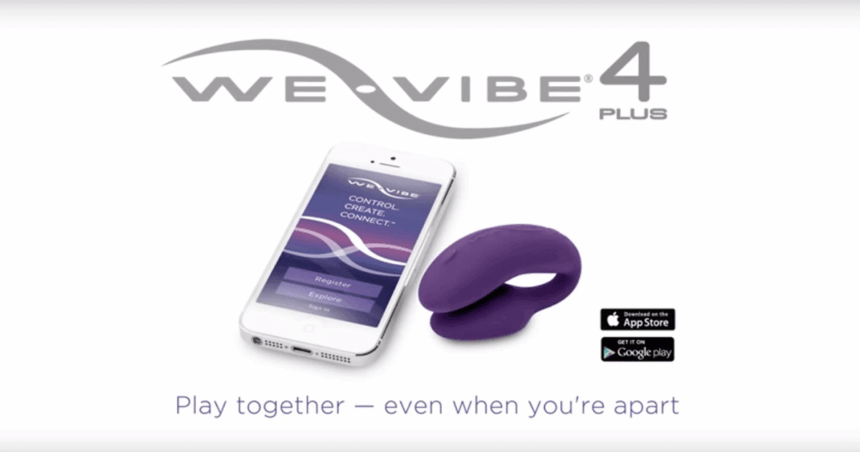
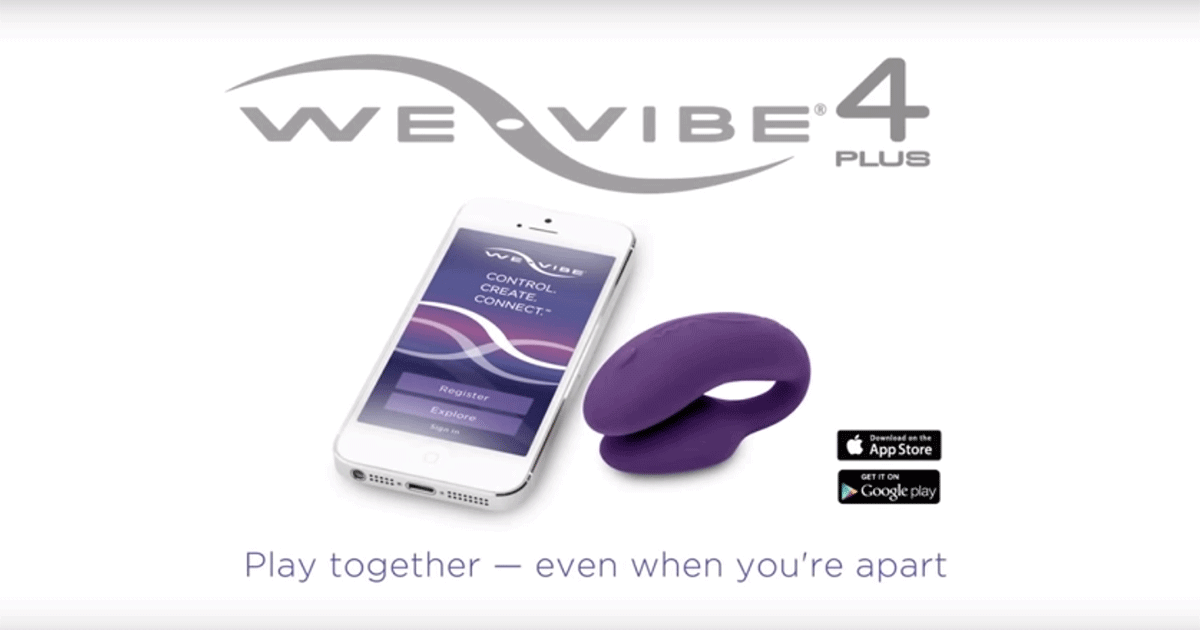
Sex toy manufacturers, including We-Vibe, were quick to integrate this technology into many of its products. With the We-Connect mobile app, users can link We-Vibe vibrators to their phones through Bluetooth so they can be controlled remotely by a partner located somewhere else. The app also allow users to create custom vibration patterns and to communicate over voice and video calls.
Fallout from the Defcon hack?
The timing of the lawsuit is interesting. It comes following a demonstration at the 2016 Defcon internet security conference that showed that Standard Innovation has been collecting a wide range of personal user information, including vibration intensity.
Standard Innovation released a statement on August 12, admitting it has been collecting user data:
[box type=”shadow”][quote]We do collect certain limited data to help us improve our products and for diagnostic purposes. As a matter of practice, we use this data in an aggregate, non-identifiable form. Processor chip temperature is used to help us determine whether device processors are operating correctly. And vibration intensity data is used for the purposes of helping us better understand how—in the aggregate—our product features are utilized.[/quote][/box]
In what appears to be a response to the N.P. lawsuit, the company released a statement on September 13:
[box type=”shadow”][quote]We have made a commitment to our customers to improve transparency and to continue to enhance our data security measures. We stand behind that commitment.
Part of our commitment is to engage external security and privacy experts to conduct a thorough review of our data practices with a view of further strengthening data protection for our customers. That review is ongoing, and we have already taken steps to enhance the data practices for our product offering.
We are updating the We-Connect™ app later this month, and the update will include new in-app communication regarding our privacy and data practices and a new feature for consumers to control how their data may be used.[/quote][/box]
Privacy versus disclosure
Eve-Lynn Rapp from Edelson PC, the attorney representing the plaintiff told Sputnik News that the suit is less about the concept of collecting personal information and more about We-Vibe’s lack of disclosure:
“When they [Windows or Apple] wOnts to track your diagnostic information about how you read your word document they actually ask you. It is usually something like, ‘we see your computer has shut down, can we send your diagnostics to Microsoft for analysis?’ There is nothing like that over here in this lawsuit.”
The plaintiff is seeking an injunction against Standard Innovation to prevent the company from further data collection,plus damages for invasion of privacy.
Rapp summed up the feelings of the plaintiff, as well as the feelings of other sex toy users in this new Internet of Things era: “Given how personal this information is what the company was doing is inappropriate.”
Image source: SecretDeliveryPl