



A few ways to share some good vibrations via the Internet or a phone…
Though the term ‘teledildonics‘ has been around since the 1980s, it’s not one many people are familiar with.
Teledildonics is an arm of remote sex technology that allows users to control dildos over the internet or through a phone interface. It can virtually touch any corner of the world.
Pioneers of teledildonics have been citing it as the ‘next big thing’ since its inception, but only a handful of successful commercial devices exist today. There are small pockets [NSFW] of Internet enthusiasts who seem to be embracing a DIY culture and making their own teledildonic gadgets (does that strike anyone else as quite daring?), but the following devices are the top three commercially-available products for the teledildonics consumer. The Google Android platform is a clear favorite for developers!
1. The Toy
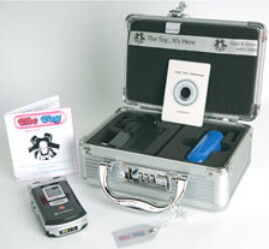
The Toy began life many years ago as a bluetooth-enabled vibrator, but it never quite became the force it could have been due to compatibility with a limited number of phones. Now it is back with its own Android app, but the premise is still the same: The Toy vibrator communicates with your phone–specifically, with text messages it receives. Each letter is assigned a different vibration, so each message presents a different combination of vibrations.
2. Dildroid
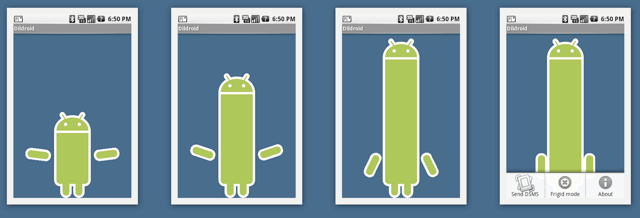
The Dildroid is a multi-speed vibrator system for Android’s OS. In addition to its multi-speed capacity, it boasts SMS interaction (Dildro-SMS) and a functionality freeze known as ‘frigid mode’. Dildro-SMS allows communication with (and control of) other Dildroid users’ phones via SMS, and frigid mode is the Dildroid’s kill switch.
Here it is in action:
3. Mojowijo
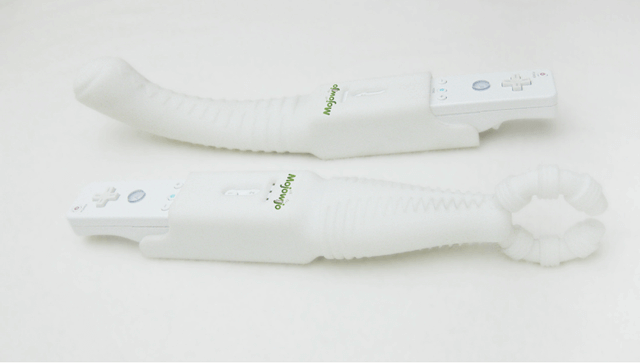
Though it is still in private beta, Mojowijo is a device that intends to alter the Nintendo Wii experience substantially, turning the Wiimote in to a “next generation body stimulation device”. Essentially, the motions of one Wiimote will ripple through the Wiiverse and become vibrations in the other Wiimote, no matter where it might be stationed.
The company has summed up their product most succinctly in this video:
There’s a demo of their beta software here.
These are three of the best at the moment, but we’re very much looking forward to what developers come up with next. Have you seen any devices that trump these?








These toys are pretty cool – Im not sure Id like to get that close to my phone… maybe they can produce an attachment…
Wow amazing technology