



The danger of software’s inability to tell “mock impoliteness” from actual online abuse.
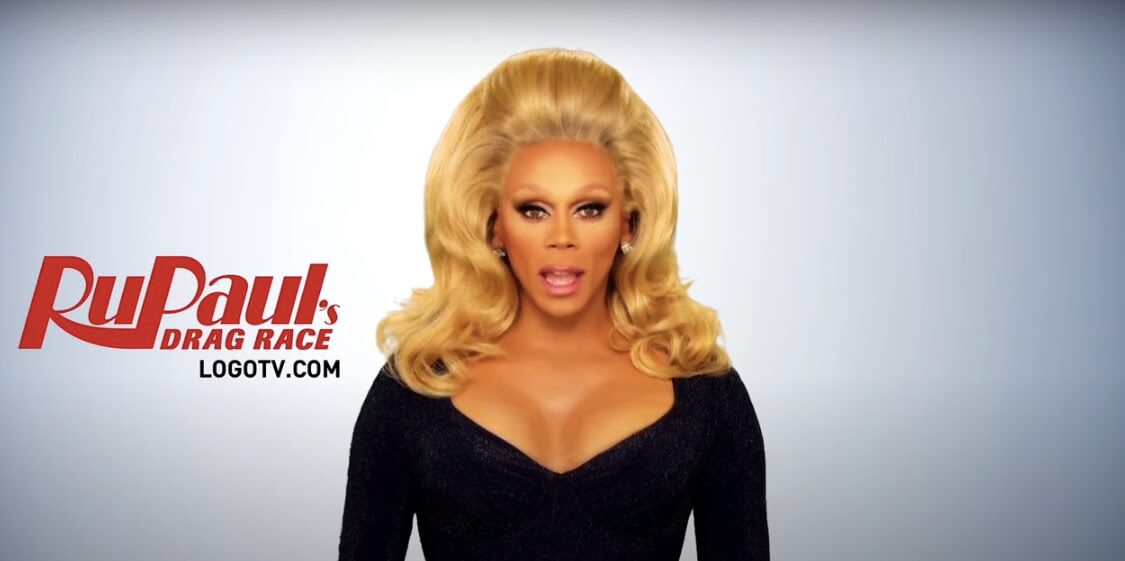
“It’s important to remember that you’re born naked, and the rest is drag.”
—RuPaul
In response to the escalating number of hate speech incidents, technology giants like Google have begun to lean more and more on artificial intelligence to help identify them.
In a perfect world, this would make the Internet an ultimate safe space, where everyone, no matter their gender expression or sexual orientation, could express themselves, and make connections without fear of harassment. Or worse.
But we don’t live in a perfect world.
In fact, according to a study conducted by members of INTERNETLAB, this dependence on machine learning could make things far worse by silencing the LGBTQIA community instead of supporting it.
Revealed by the flamboyant outrageousness, and playfully catty attitudes, of the gloriously queer queens of drag.
Toxic tweets
For their research, Alessandra Gomes, Thiago Oliva, and Dennys Antonialli fed tweets from Twitter users espousing far-right views, neutral or progressive ones as a control, and then participants in RuPaul’s Drag Race into the Perspective machine learning system.
Created by Jigsaw, that’s owned by Alphabet Inc.—which is part of the Google empire—Perspective analyzed these 114,204 tweets to identify the “toxicity” of any potential language used within them.
The results were profoundly disturbing, to put it mildly, with the AI red-flagging posts from the drag performers at a substantially higher rate than those from vocal homophobes, neo-Nazis, and even the 45th President of the United States.
As Perspective put it:
On average, drag queens’ accounts toxicity levels ranged from 16.68% to 37.81%, while white supremacists’ averages ranged from 21.30% to 28.87%; Trump’s lies at 21.84%.
Perspective also incorrectly identified words that, while they can be used as pejoratives and insults, have also been reclaimed by the LGBTQIA community:
Most of these words had significantly high levels of toxicity: BITCH – 98.18%; FAG – 91.94%; SISSY – 83.20%; GAY – 76.10%; LESBIAN – 60.79%; QUEER – 51.03%; TRANSVESTITE – 44.48%.
Plainly, while tremendously useful at collecting and then correlating data, artificial intelligence still can’t frame the context of what’s found: throwing the baby out with the bathwater, so to speak.
Words as self-armor
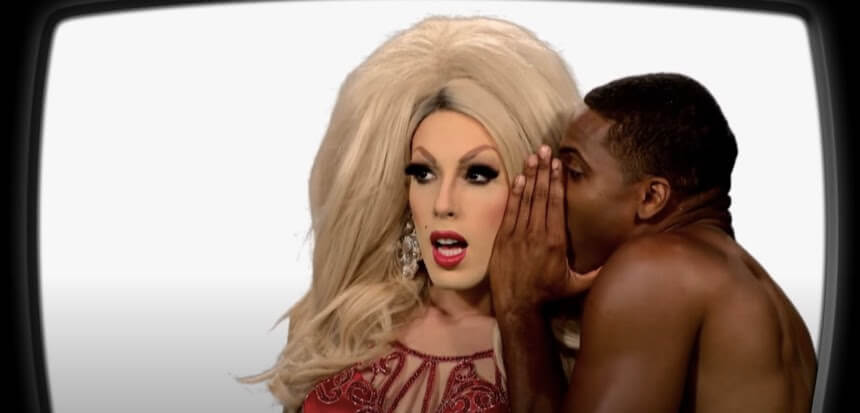
But what is the context here?
First, let’s accept that you’d have to be a determined cave-dweller to be utterly unfamiliar with RuPaul’s Drag Race, and a pathological recluse to know absolutely zip about this long-standing tradition of these extravagantly festive performances.
And right along with the high heels, massive wigs, feather boas, and shimmering sequins—to name only a few fashion choices—where’s often the wielding of another all-important fashion accessory: a razor-sharp wit.
Sean McKinnon’s study for the Journal of Language and Sexuality points out that through on the surface these insults look hostile, in reality, they are playful and positive, perceived by “in-group members who recognize the importance of building a thick skin to face a hostile environment from LGBT and non-LGBT people.”
INTERNETLAB bolsters this tradition of “mock impoliteness” by referencing scholars, who say “a sharp tongue is a weapon honed through frequent use, and is a survival skill for those who function outside genteel circles.”
This comes close, but only close, to explaining why Perspective does such a phenomenally poor job of telling bitchy playfulness from actual hate speech.
There’s a deeper issue, however; one that’s intrinsically connected to not only the flaw in Perspective’s programming but in Internet giants like Google even considering their use to moderate social media.
Tech giants and the power to do better
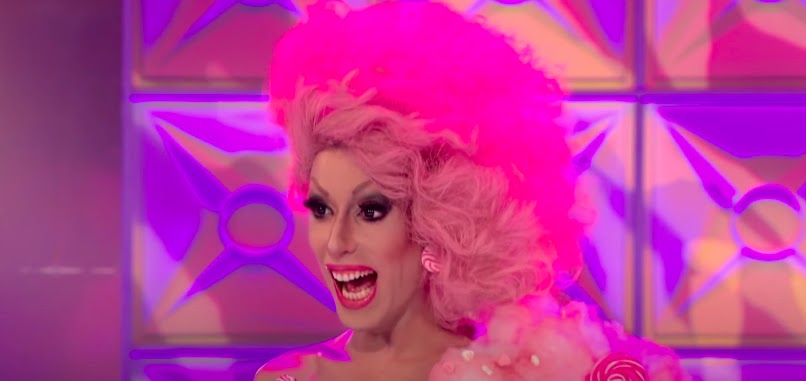
It’s tough to know where to go from here. It’s tempting to start by suggesting that by building systems like Perspective with an aim to limit hate speech on the Internet, social media companies and Internet providers are at least acknowledging a widespread problem exists.
But in light of the on-going—and well-documented—accusations that Facebook, Twitter, and Google’s mismanaged moderation of user content have made an already bad situation much worse, it’s getting tougher and tougher to give them any kind of positive credit.
There’s also the issue of using machine learning at all.
Agreed, the job of trying to moderate the entire internet is flat-out impossible without this kind of assistance, but why not at least try to build into these kinds of systems a sense of context or at least more diligent human oversight.
As it is now, even without systems like Perspective being put in place, people are getting routinely blocked on social media for calling out hate speech when the original toxic posters are allowed to continue.
Similarly, sexual educators, queer activists, trans supporters, sex workers, and tragically too many others to name, are flagged—again while avowed homophobes and white supremacists post with impunity.
Something’s got to give. Clearly, machines can’t do it all—especially when technology companies are woefully ignorant of queer culture—but then neither can humans.
What’s needed is a drag queen’s snap-snap-snap attitude towards this entire issue: a dramatic and powerful movement for the likes of Google to get their act together, bitches!
Otherwise, let’s call them out like Alaska did to Adore on RuPaul’s Drag Race “—these other girls are gonna say you have terrible makeup skills, you have no fashion sense, and you’re dumb as a rock. But they’re wrong! You don’t have terrible makeup skills.”
Image sources: RuPaul’s Drag Race,