



Comingle’s mind-controlled vibrator becomes a bygone.
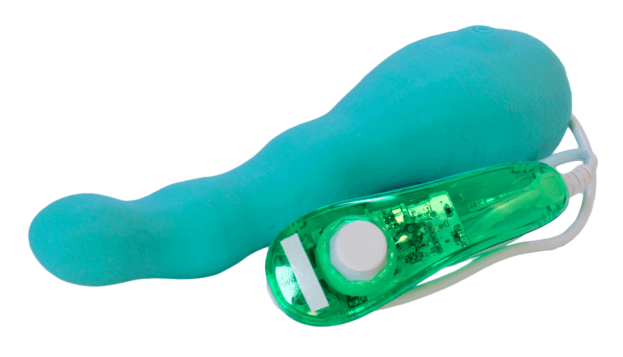
This time last year open-source sex tech company Comingle finished a successful crowdfunding campaign for its hackable sex toy the Mod, raising more than $60,000 from 319 backers. But now it has announced it must cancel the project after a financially and mentally draining lawsuit.
Comingle is one of six sex tech companies that was sued on July 20, 2015, by TZU Technologies for violating the ‘268 patent. It governs the use of sex toys over digital networks and is sometimes referred to as the Hassex patent.
The company managed to find a pro-bono lawyer and dug up prior art in a move to challenge the patent’s validity, filing a counterclaim in December 2015.
With Vibease and the makers of the RealTouch also filing near-identical counterclaims with the same legal representation, it seemed like Comingle might have had a shot at maintaining operations. It seemed like small sex tech companies were joining together and gaining some power in numbers.
However, a recent statement on its website says it will not be able to deliver the Mod to all its backers:
Despite the droves of pre-existing evidence that invalidate this ridiculous patent, small companies like us would be bankrupted immediately by the flat court fees needed to simply defend oneself in such a case (~$30-$40,000, not including standard patent lawyer fees averaging over $1 million if we had not been able to secure an amazing pro-bono lawyer)…We really understand that this sucks a lot. We all lost lots of time and money to this project. We are exhausted. We have spent 3 years of unpaid labor and tens of thousands of dollars of our own money working on this project, and we hit the point where it’s impossible for us to continue.
For backers who did not receive the device, sex toy companies Vibease [NSFW] and MysteryVibe are offering product discount codes.
Andrew Quitmeyer of Comingle told Future of Sex he couldn’t comment on the fate of his sex tech company. When the ‘268 patent expires in 2018, will it be able to restart production of the Mod? Will it want to develop a new product? We’ll have to wait and see what happens in two years.
For some background on the contentious ‘268 patent, it was originally filed by Warren Sandvick of Texas in 1998, and in 2008 he transferred ownership to his company Hassex Inc. In June 2015, ownership was then transferred from Hassex Inc. to TZU Technologies, an entity meant to advocate on Sandvick’s behalf as an inventor. While Sandvick died of a heart attack on Dec. 2, 2015, it appears the patent case is still going forward.
Image source: Comingle