


The sex toy inventor explains why he prefers going open source.
 |
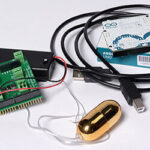
Last week we spoke to Orgasmatronics CEO Dr. X. Treme about the release of the Master Beta Kit, an open-source sex toy hacking kit for beginners. Just 10 days into the device’s crowdfunding campaign, the company raised its goal of $5,000. The demand for DIY sex tech is clear.
This wasn’t Orgasmatronics’s first step into the open-source market. The company also sells the $20 HackOff circuit board for people who want to tinker with their sex electronics.
Dr. X. Treme has also been vocal about his disdain for patents in sex tech.
Last September, his company also announced its decision to make the Ambrosia Vibe, a “bionic” strap-on dildo, open source. In a blog statement, Dr. X. Treme accused patents of hurting the sex toy industry and sucking out the possibilities for fun and innovation.
Speaking to Future of Sex, he further explained his views:
I think the vast majority of patents that have been awarded in the United States for sex toy stuff in recent years are terrible patents. They’re patents that never should have been granted and if you look at what patent law says… the thing has to be new and non-obvious and I think that a lot of people are filing patents that violate those.
In particular, he calls out the patent named Method and device for interactive virtual control of sexual aids using digital computer networks, which was filed in 1998. It covers the communication of all sex toys over the Internet, as well as the manipulation of sex devices with prerecorded video.
“To be brutally honest, I think that filing that patent was a crime,” he said, explaining that he believes there is extensive art going back decades, likely in comic books, depicting remote sex.
The idea that they invented that in any useful sense is preposterous and I would use that even outside of the sex toy industry as how wrong the patent system is and how evil it is that someone can claim ownership over an idea that’s that obvious. I think it’s outrageous.
Orgasmatronics’s products don’t fall under the patent, as they aren’t designed to connect sex toys over the web and don’t involve video. However, people at home could get in trouble if they link up their sex gadgets to the Internet.
While that’s the law, Dr. X. Treme thinks it goes too far. He compares it to having a sex chat over the web with your partner and telling them to change the speed on the vibrator they are using. But as soon as one person changes his or her partner’s vibrator speed through a web connection, it’s patent infringement.
He added that he’s not a huge advocate of open hardware, but going open source is a way to stay out of the framework he criticizes.
The best way to reform patents, in my view, is to completely eliminate the system. I think they have no redeeming value whatsoever, so when it seems like it’s appropriate, that it makes sense, I’m always going to opt to go the open route.
Image source: Orgasmatronics